
Describe the shipment clearly.
The route and cargo details determine which service, transport mode, documents, and handling steps can apply.
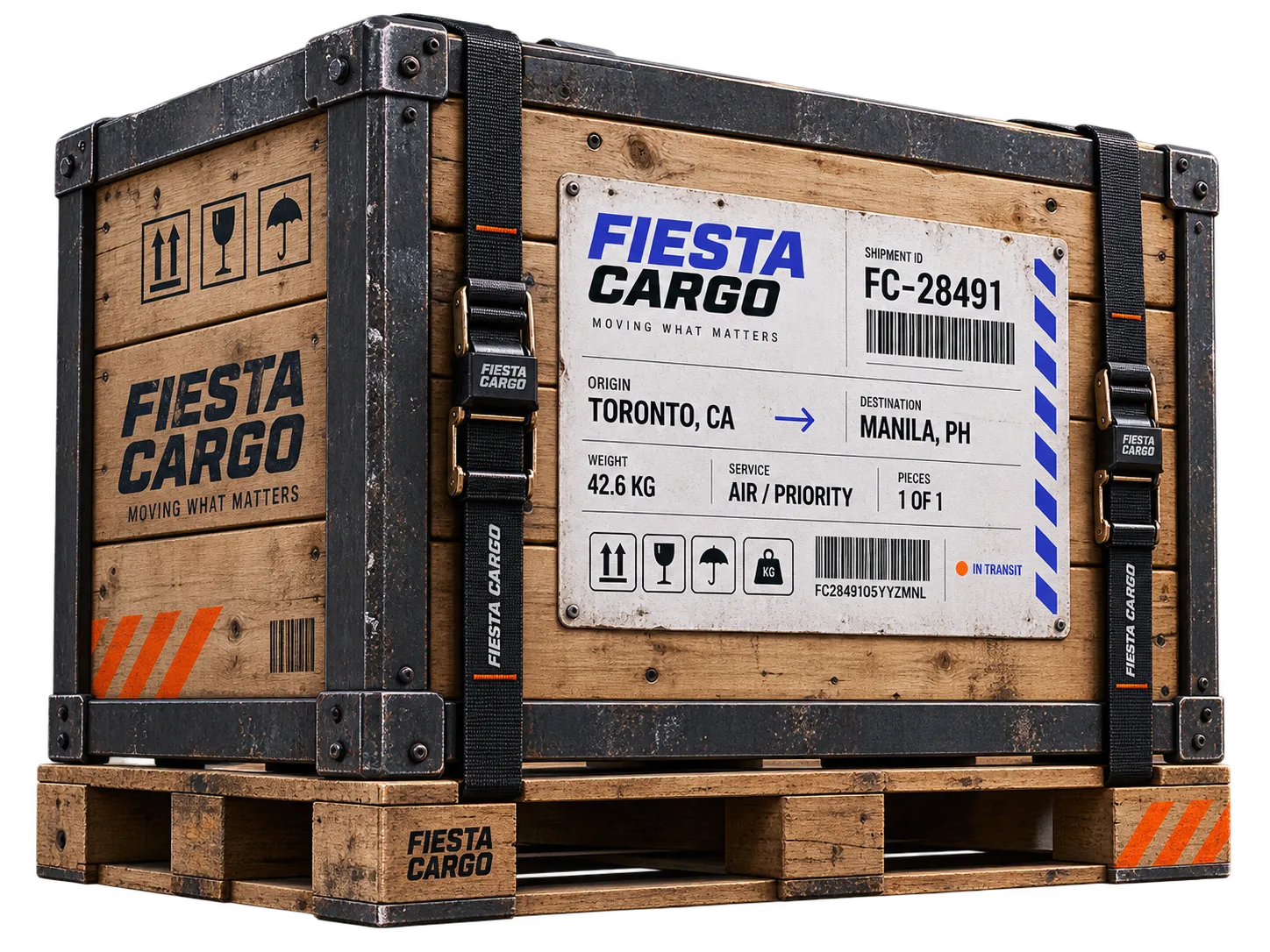
Measure
Record each piece.
- Count every box, pallet, crate, or loose piece.
- Measure length, width, and height.
- Record the weight of each piece and the total weight.
- Tell the team when measurements are estimates.
Pack
Protect cargo for handling.
- Use packaging that fits the cargo and transport method.
- Secure loose parts and prevent movement inside packaging.
- Mark fragile, upright, or special-handling needs clearly.
- Keep labels and reference numbers visible.
Document
Prepare accurate information.
- Use consistent sender and recipient information.
- Describe the cargo accurately.
- Keep invoices and supporting shipment records available.
- Ask which documents apply to the route and cargo.
Coordinate
Confirm access and timing.
- Share pickup and delivery access details.
- Provide working contact numbers at both locations.
- Confirm the cargo-ready date before scheduling.
- Discuss storage, inspection, or deadline requirements.
Restricted cargo
Ask before you pack regulated items.
Acceptance changes by route, carrier, and transport mode. Contact the team before packing items that can require special approval or handling.
- Batteries and powered equipment
- Liquids, chemicals, and aerosols
- Medicine, food, and perishables
- Hazardous or flammable materials
- High-value or fragile goods
- Items controlled by customs or other authorities
Pricing and timing
Why every quote is shipment-specific.
Route, mode, cargo type, dimensions, weight, schedule, customs steps, handling, and storage can affect the quote and transit estimate. Finalize these details before relying on a price or date.